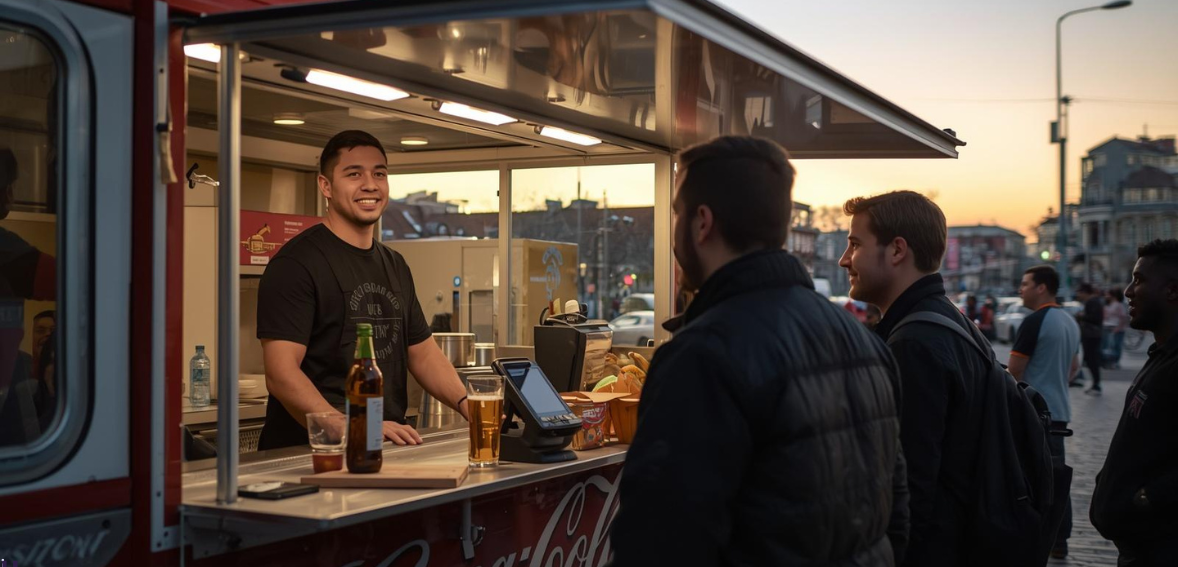
Food trucks frequently deal with long lines, frustrated customers, and continuous pressure to serve quickly during a busy lunch rush. Pre-orders are now both an opportunity and a challenge, as more people anticipate placing orders in advance. Although they can shorten wait times and enhance customer convenience, improper management can disrupt the flow.
Adding pre-orders without modifying their workflow leads to confusion rather than efficiency, according to many food truck owners. Offering pre-orders and integrating them into regular operations without slowing down service is crucial. When implemented properly, pre-orders can actually speed up processes rather than cause delays, improving the experience for both employees and clients.
Table of Contents
Why Pre-Orders Matter for Food Trucks
Pre-orders are becoming a competitive advantage in the food truck business. They help customers avoid long lines and guarantee their meals in advance, especially during peak events and during lunchtime. Pre-orders also help food vendors gain better insight into what is required, thus making better preparations. This helps vendors avoid wastage since they know what is required in advance.
Pre-orders also help vendors improve their workflow by ensuring they do not prepare all meals at once, especially during peak times. This helps improve customer satisfaction by enabling them to be served faster and more efficiently. This is unlike before, when they would wait long times at food trucks before being served their meals.
Integrating Pre-Orders with Daily Operations
Pre-orders should not be made to operate independently of regular orders. This is because integration is vital to maintaining efficiency. This way, pre-orders and regular orders are visible in a single dashboard. This prevents any confusion that might lead to duplicate efforts. It can also be used to ensure that meal preparation schedules are well managed.
The meals can be arranged to be picked up at a specific time. This way, a balance can be achieved between pre-orders and regular orders at a food truck. In reality, most food trucks don’t struggle with technology—they struggle with managing rush-hour pressure.
Choosing the Right Mobile POS System
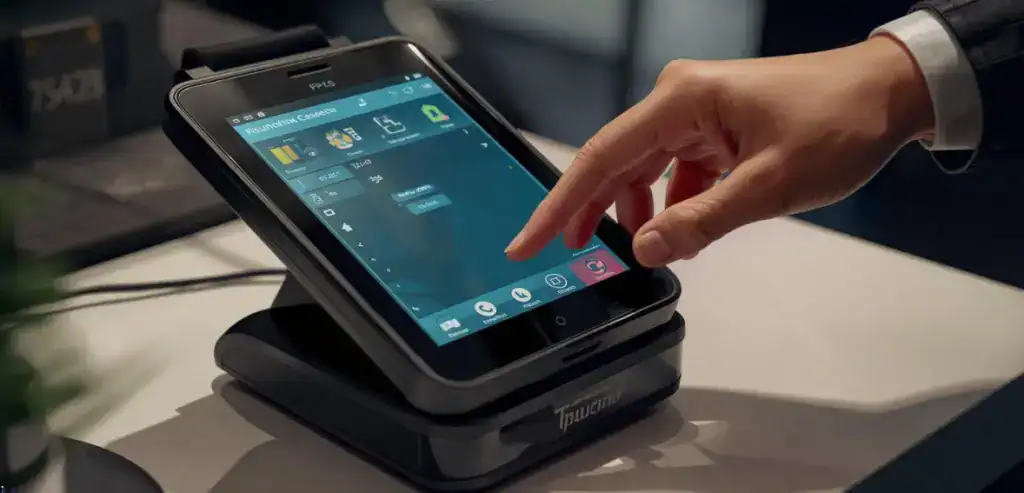
A reliable mobile POS system is the key to effective pre-order management. A food truck needs a system that is fast, portable, and accommodates various modes of ordering. A good POS system will have seamless integration of online orders and payments. It will also include real-time order tracking and updates.
This will enable the food truck staff to manage their orders effectively and easily. Additionally, a mobile POS system provides flexibility in different environments. A food truck needs a fast, effective POS system. It is worth investing in a good POS system for a food truck. It will help in ensuring the smooth running of operations and prevent delays and errors in service delivery. In reality, even a basic POS works fine if the team knows how to use it during busy hours.
Real-World Pre-Order Mistakes vs Smarter Fixes
| What happens on busy days | What usually goes wrong | A simple fix that actually works |
| Lunch rush hits hard | Too many pre-orders flood in at once | Cap orders every 10–15 minutes |
| Staff get overwhelmed | Orders get mixed up | Separate pre-orders from walk-ins |
| Customers crowd the truck | Everyone shows up early or late | Give clear pickup time windows |
| Kitchen slows down | Cooking everything one by one | Batch similar items together |
| Staff keep getting interrupted | Constant “Is my order ready?” | Send quick pickup notifications |
| Orders get missed | Manual tracking fails | Use a simple live order screen |
| Big events | Same setup as normal days | Adjust limits based on demand |
| Menu overload | Too many options slow prep | Keep a smaller pre-order menu |
| Late customers | Orders pile up | Hold for a limited time, then clear |
In practice, not every setup works perfectly from day one. Most food trucks figure this out after a few busy shifts and small mistakes. Some trucks try to overcomplicate this at first, which usually slows things down even more.
Structuring Pickup Time Slots
One of the most effective ways to ensure pre-orders do not delay the line is to use structured pre-order pickup time slots. This is a way to organize pre-orders so they are not all picked up at the same time.
Each customer knows exactly when to pick up their pre-orders. This makes it easier to serve customers without delays, and pre-orders do not delay the line.
Separate Pickup Lines for Efficiency
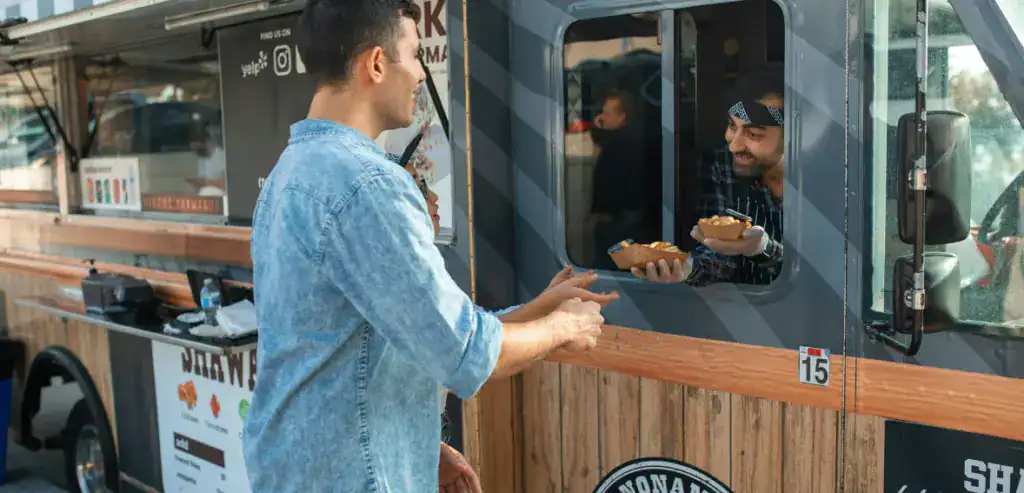
Developing a dedicated pre-order line can greatly enhance efficiency. This helps ensure that pre-order customers are not confused with regular walk-in orders. A separate line can be dedicated to quickly attending to prepared orders. This keeps the regular order line running smoothly. In many cases, the problem isn’t the system—it’s how it’s used during peak hours.
There should be clear signage to help customers understand where to go. Employees can attend to orders without interruptions. A simple separation like this usually speeds things up for everyone. A simple change in structure can significantly improve efficiency.
Preparing Orders in Advance
Pre-orders make it easier to prepare ahead, reducing pressure during peak hours. By analyzing the orders received, food can be prepared early in the morning. This cuts down waiting time during peak hours. In addition, pre-orders help food trucks maintain food quality.
Timing plays a critical role in food preparation. A good system ensures that pre-orders are prepared on time. This turns pre-orders into an opportunity rather than a challenge. For example, a burger truck expecting 30 pre-orders for 1 PM can prep patties and toppings early, rather than cooking everything at the last minute.
Clear Communication with Customers
Communication plays a crucial role in effectively managing pre-orders. Customers should receive clear instructions about pickup times, locations, and processes. Automated confirmations and reminders help reduce confusion, and transparency ensures customers know what to expect.
Customers feel more relaxed when they know exactly what to expect. Clear communication also helps manage expectations during busy periods. When customers are informed, they are more patient and cooperative. Effective communication builds trust and ensures smooth operations. It prevents misunderstandings and supports efficient service.
Staff Coordination and Workflow
Effective staff coordination is critical in managing both pre-orders and walk-in customers. A lack of workflow would lead to chaos, even with the best systems in place. Each team member needs a clear role, such as order intake, food preparation, or order pickup.
This keeps everyone clear on what they’re responsible for. Pre-orders should be integrated into the workflow rather than treated as individual tasks. Staff members should be trained on when to attend to time-based orders to meet pickup deadlines. With effective staff coordination, there would be no delays in serving both pre-order and walk-in customers, ensuring they are served quickly without compromising quality or accuracy.
Reducing Errors in Orders
Order accuracy is vital to maintaining customer satisfaction and efficiency. Inaccuracies in orders can lead to delays and frustration. A well-structured system can significantly reduce order inaccuracies by capturing detailed order information. It can also ensure that all order details are well-organized and logical. Digital tracking of orders can ensure that every order is accounted for.
In addition, a well-standardized process can reduce inaccuracies in order handling. Ensure that all orders are accurate before they are handed over to avoid making corrections in the process. Inaccuracies in order handling can be reduced through automation processes that can significantly reduce human error. Fewer mistakes mean faster service overall. Honestly, a few small process fixes usually solve more problems than switching to a new system.
Maintaining Food Safety Standards
Food safety is a concern even when the volume of pre-orders is high. Make sure to prepare the food well in advance while ensuring proper food safety. Pre-orders have to be arranged so that the food is fresh when the customers come to collect. Food safety is an area where staff must adhere to the guidelines without fail.
Keeping food safe and fresh builds customer trust over time. Food safety is also crucial to protect the business from risks. Food safety is never compromised, even when the workload is high. A disciplined approach is the key to achieving both quality and speed.
Adapting to Customer Expectations
Customer demands in the food truck industry are changing rapidly. Convenience, speed, and transparency are now the basic demands of customers. Pre-orders play a vital role in meeting customer demand. Food trucks are now required to adapt to customer demands.
Customer expectations keep evolving, and food trucks have to keep up. Offering pre-orders is one simple way to match that demand without overcomplicating operations. Food trucks are trying to meet customer demand by offering pre-ordering. When food trucks adapt to customer demands, they provide a better experience.
Common Mistakes Food Trucks Make with Pre-Orders
Many food trucks don’t struggle with demand—they struggle with how pre-orders are handled.
- Too many pre-orders at one time
- Lack of separate pre-order and walk-in lines
- Manual tracking of pre-orders
- Lack of clear communication for pre-order pickup
- Lack of a clear workflow for staff members
- Preparation of all pre-orders simultaneously instead of in batches
- Lack of consideration for peak-hour capacity limits
In real-world situations, even one of these mistakes can slow down the entire line. Even experienced food trucks run into these issues during busy events. Honestly, most of these issues don’t show up until the truck gets really busy.
Quick Setup Checklist for Pre-Orders
If you’re doing this for the first time, a simple checklist can solve most of the common problems you might face.
- Set up an online ordering system integrated with POS
- Enable real-time tracking of orders
- Configure fixed pickup time slots
- Configure a daily limit for pre-orders during peak hours
- Test the complete workflow (order -> prepare -> pickup)
- Train staff on handling both types of orders
- Provide pickup instructions to customers
- Use automated confirmations and reminders
Trucks that use a simple checklist like this can avoid most of the early-stage issues.
Measuring Performance and Improving Over Time
Continuous improvement becomes crucial once a pre-order system is implemented. Food trucks should routinely review performance measures, including average wait times, order accuracy, and peak-hour efficiency. Monitoring these metrics helps identify bottlenecks and potential areas for improvement. Additionally, customer feedback provides insights into what is effective and what needs modification.
Efficiency can be greatly increased by making minor adjustments, such as improving pickup instructions or modifying time slots. Teams can better plan for future demand by reviewing data following hectic occurrences. Instead of being a one-time endeavor, improvement should be a continuous activity. Food trucks can ensure pre-orders remain a seamless, beneficial part of their operations by regularly evaluating performance and making adjustments.
What Actually Works in Real Food Truck Operations
In most cases, pre-orders work best when kept simple. Overcomplicating the process will most likely result in more delays rather than solving them.
Most successful food trucks have implemented a few rules, including:
- Pre-order volume should be limited during peak hours
- Pre-order pick-up windows should be limited to 10-15 minutes
- Pre-ordered items should be prepared in batches instead of one by one
- Only one staff member should be used for pre-order pick-up
- Pre-orders should not be mixed with regular orders
For most, the most significant improvement comes from making small changes, such as controlling order volume, rather than changing everything.
Pre-Orders Done Right vs Done Wrong
| Done Right | Done Wrong |
| Limited order slots | Unlimited orders |
| Clear pickup timing | No structure |
| Separate workflow | Mixed orders |
| Batch cooking | One-by-one prep |
| Simple system | Overcomplicated setup |

Conclusion
However, pre-orders have the potential to change the way food truck operations are conducted if done in a way that integrates well into existing systems. Pre-orders can help save time and increase revenue without compromising the flow of operations.
With effective systems in place, pre-orders become an advantage and not a challenge for food truck operations. Food truck operations that invest in systems and planning can handle large volumes of customers without compromising operational flow. When the system works well, even a busy service starts to feel manageable.
FAQs
Are food truck services slowed down by pre-orders?
No. They actually decrease line congestion and increase speed when the proper infrastructure is in place.
How can food trucks efficiently schedule pickups?
By using prearranged time intervals that disperse demand and avoid crowding at busy times.
How should pre-order payments be handled?
Online prepayment guarantees quicker pickups and removes truck delays.
Should food trucks keep walk-up and pre-order lines separate?
Yes, a separate pickup line maintains order and enhances flow.
Can pre-orders be effectively handled by small food trucks?
Yes, even small teams can efficiently handle pre-orders with careful planning, basic tools, and well-defined workflows.